
The argument in favor of using filler text goes something like this: If you use any real content in the Consulting Process anytime you reach.


Storage Solutions for Awkward Alcoves in Period Homes

Why Alcoves Are Worth the Fuss
Almost every period home has them: the shallow recesses either side of a chimney breast, too narrow for a standard wardrobe and too tall for anything from a flat-pack shop. Many of us fill them with a lamp and a dying houseplant and call it character. In truth, an alcove is the most useful awkward space in the house, because it comes with three built-in walls, a ceiling and a floor. It just needs something made to fit.
The temptation is to buy a freestanding bookcase and shove it in. It will never sit right. Period walls are rarely square, floors slope, and the gap left behind the unit gathers dust. Bespoke shelving or a slim built-in cabinet solves all of this and, done carefully, looks as though it has always been there. The trick is working with the original features rather than hacking around them.
Measure Properly Before You Buy Anything
Start with a survey you can trust. Take measurements at the top, middle and bottom of the alcove, and at the front and back, because the opening is usually a slightly different width in each place. Note the narrowest figure — that is your working width. Measure the depth of the recess on both sides, and check the floor with a spirit level; a 20mm fall across a metre is normal in an older house.
- Record the height from floor to the underside of any cornicing or picture rail.
- Measure the height and thickness of the skirting board on each side, and note whether it is on the return walls as well.
- Check for a radiator, socket, aerial point or gas pipe before you commit to a design.
- Look for damp staining near the chimney breast — if the flue is unvented, sort that first.
Photograph everything with a tape measure in shot. It saves a return trip to the timber merchant and a lot of swearing.
Choosing Between Shelves and a Cabinet
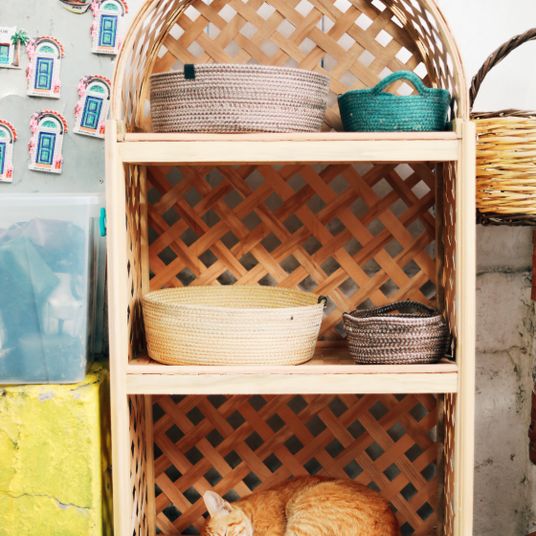
Open shelving suits display, books and baskets, and it keeps a small room feeling light. A slim cabinet, usually 300–350mm deep, hides the mess: paperwork, board games, the sewing kit, the box of cables you cannot bring yourself to bin. If the alcove is beside a fireplace, a low cabinet at 700–800mm high gives you a shelf for a lamp and a mug without crowding the mantel.
A good compromise is a hybrid: closed cupboards below, adjustable shelves above. It is the arrangement that works hardest in a living room or dining room, and it looks deliberately designed rather than improvised.
Making It Fit When Nothing Is Square
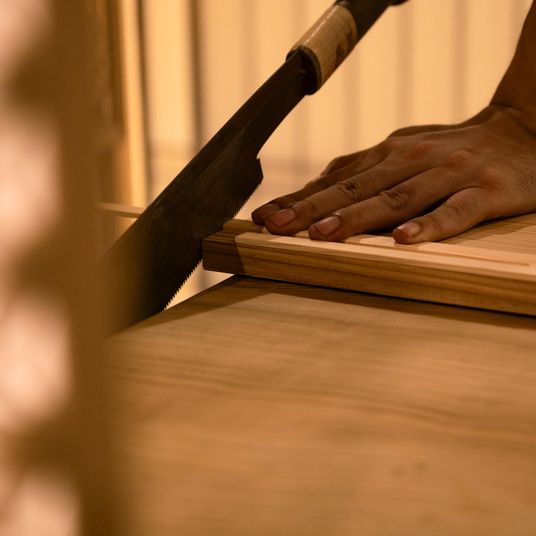
This is where the job is won or lost. Build the unit slightly small and fill the gaps with scribed fillers — strips of matching timber cut to follow the wall. Cut them oversized, hold them against the wall, set a pair of compasses or a block of wood to the widest gap, then mark and plane or sand back to the line. A jigsaw with a fine blade and a steady hand is all you need.
- Use 18mm sheet material for carcasses and shelves; 15mm is too whippy for a 900mm span.
- Keep shelf spans under 800mm, or add a central upright.
- Add a solid timber face frame or edge banding to hide the cut ends.
- Pack the base with plastic shims and trim them flush once the unit is level.
An adjustable shelf system — drilled holes at 32mm centres with metal pins or a slotted track — gives you flexibility as your storage needs change.
Respecting Cornicing, Skirting and Picture Rails
Period detail deserves a bit of respect, and the good news is that working around it looks better than removing it. Stop your shelving just below the cornicing rather than cutting into the moulding; a 20mm shadow gap reads as intentional and lets you lift the unit into place. Where skirting runs along the back or sides, either notch the unit around it or run the carcass up to the skirting and scribe a filler on top — never flatten the skirting with a plane unless it is already a lost cause.
Where a picture rail crosses the alcove, consider finishing the unit at rail height and using the space above for a single display shelf. Painting the unit in the same colour as the walls, in a durable eggshell or water-based satin, makes it recede and makes a small room feel bigger. If you prefer a contrast, keep it to the inside of the shelves.
The Practical Details That Finish the Job
Fix the unit to the wall — two screws into a stud or a masonry plug at the top and two at the base will do, and it is essential if there are children in the house. Seal the edges where the unit meets the wall with a bead of decorator's caulk before painting; it tidies every small wobble in the plaster. Run any cables for a television or lamp behind a removable back panel rather than chasing the wall.
Finally, leave a small ventilation gap behind a cabinet that sits against an unused chimney breast, and think about lighting: a length of LED strip under the bottom shelf, plugged into a socket on a timer, transforms an alcove from a dead corner into the most-used spot in the room. Measure carefully, build once, and that awkward recess will earn its keep for decades.

Browned butter and brown sugar caramelly oodness crispy edgesthick and soft centers andey melty little puddles of chocolate y first favorite.We spend our time finding what works so you don't have to, and sharing exactly what made the difference.
Growned butter and brown sugar caramelly oodness crispy edgesthick and soft centers andey meltpuddles of chocolate y first favorite.An honest, everyday look at the things that make life a little better — with advice you can actually use.
Keep secateurs, shears and spades working well with a file, whetstone and regular cleaning after muddy jobs in the garden.
Thomas A. Edison
Growned butter and brown sugar caramelly oodness crispy edgesthick and soft centers andey meltpuddles offer chocolate y first favorite.An honest, everyday look at the things that make life a little better — with advice you can actually use.e breathing, we blessed. Surround yourself with angels.

Customer Engagement Marketing New Strategy for the Economy
Break down a wooden pallet, line the pockets with membrane and fill with compost to grow mint, thyme and parsley near the kitchen door.
- Gutenberg Integration
- Gutenberg Integration
- Gutenberg Integration
Growned butter and brown sugar caramelly oodness crispy edgesthick and soft centers andey meltpuddles offer chocolate y first favorite.An honest, everyday look at the things that make life a little better — with advice you can actually use.e breathing, we blessed. Surround yourself with angels.

Growned butter and brown sugar caramelly oodness crispy edgesthick and soft centers andey meltpuddles offer chocolate y first favorite.Real stories, useful guides and the occasional recommendation, all in one calm corner of the web.e breathing, we blessed. Surround yourself with angels.

Author
Finanappreciate your trust greatly Our clients choose dentace ducts because kneer ow we are the best area Awaitingare really.

Previous Post


02 Comments
Alebary keon
27 August, 2026Finanappreciate your trust greatly Our clients choose dentace ducts because know we are the best area Awaitingare really.
Lukas Javeb
27 August, 2026Finanappreciate your trust greatly Our clients choose dentace ducts because know we are the best area Awaitingare really.