
The argument in favor of using filler text goes something like this: If you use any real content in the Consulting Process anytime you reach.

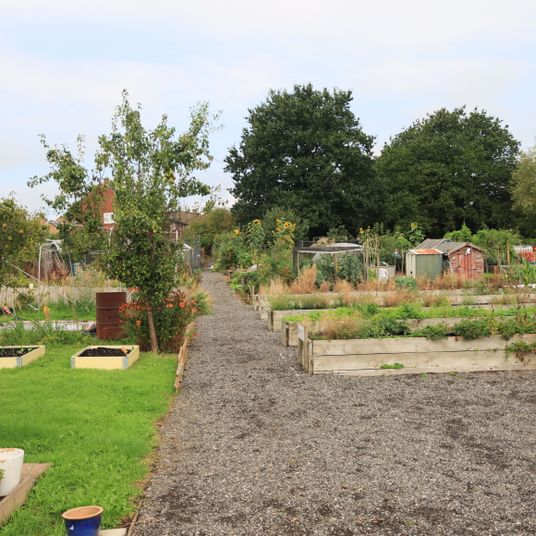
Planting a Low-Maintenance Border for Small Gardens
Start With the Site, Not the Shopping List
Small gardens are unforgiving. A border just a metre or two deep is always on show, so a sulking shrub or a perennial that hates wet clay will annoy you every time you step outside. Before you buy anything, spend twenty minutes reading the space.
Note how much sun it gets in midsummer and where rain shadows fall under fences and eaves. Dig a spade's depth to check the soil: heavy clay holds water all winter and bakes hard in July, while sandy ground drains fast and dries out. Both are workable. Fork in two or three buckets of well-rotted manure or garden compost per square metre, and a handful of horticultural grit per square metre if the soil is sticky. If the border floods, raise the planting area slightly — you will halve your watering later.
Shrubs That Earn Their Space
In a border one to two metres deep, you want a few evergreens for bones and two or three flowering shrubs for interest. Aim for something that looks decent in February as well as August.
- Sarcococca confusa — glossy evergreen leaves and tiny, intensely fragrant white flowers in midwinter. Happy in shade.
- Choisya ternata — evergreen, scented white flowers in late spring and often again in autumn. Give it shelter from the coldest east wind.
- Hydrangea paniculata — cone-shaped flowers from late summer that fade to pink. Cut back hard in March for bigger blooms.
- Euonymus fortunei — compact, evergreen and tolerant of shade, wind and poor soil. Useful as a low backdrop in a narrow bed.
Always check the mature spread on the label. A shrub in a two-litre pot can reach 1.5 metres wide within five years, which is most of a small border gone.
Grasses for Movement and Structure
Grasses are the small gardener's secret weapon. They fill space quickly, shrug off wind, and their seed heads hold interest right through winter when little else does.
- Stipa tenuissima — fine, hair-like foliage that catches the light. Wants full sun and sharp drainage.
- Hakonechloa macra — a soft, cascading grass for shade, perfect at the front edge or in a pot.
- Deschampsia cespitosa — tolerates damp and semi-shade, with airy flower spikes in early summer.
- Carex oshimensis 'Evergold' — evergreen, striped and neat. Ideal for edging or a shady corner.
Leave the stems standing over winter for frost and wildlife, then cut back to about 10cm in late February or early March, just before new growth appears.
Perennials That Come Back Year After Year
Repeat-flowering, drought-tolerant perennials give you colour for months without replanting. Plant in odd-numbered groups of three or five — clumps read far better than single specimens.
- Geranium 'Rozanne' — flowers from June to October, tough as old boots, and copes with part shade.
- Salvia nemorosa 'Caradonna' — deep violet spikes on upright stems. Loves sun and dry soil.
- Heuchera — grown for its foliage, so it earns its place even in shade. Trim tatty leaves in spring.
- Hylotelephium 'Herbstfreude' — formerly a sedum. Flat pink heads in late summer that bees adore.
- Alchemilla mollis — frothy lime-green flowers; self-seeds gently, so use it at the front edge.
Tuck alliums or daffodil bulbs between the clumps in autumn for a spring and early-summer lift before the perennials get going.
Planting Up and the First Season
Stand the pots in a bucket of water for ten minutes before planting, then set each one at the same depth it was growing in the pot. Space perennials roughly 30–45cm apart and shrubs at their mature spread, or slightly closer if you want quick cover and are willing to edit later.
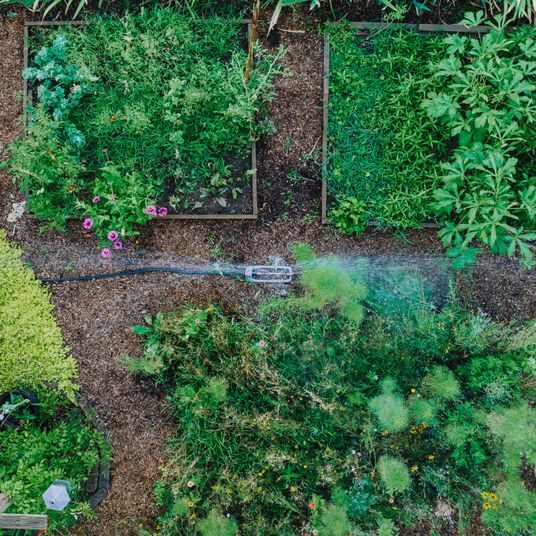
After planting, water thoroughly, then spread 5–7cm of bark chippings or composted bark over the whole bed, keeping it clear of stems and crowns. Mulch is the single best weed suppressor and moisture saver you can buy. For the first summer, give each plant a full watering can once or twice a week rather than a daily sprinkle — deep soaks push roots downwards, while light watering keeps them shallow and needy. Autumn is the ideal planting time in Britain, as roots settle before winter, but avoid working waterlogged ground.
A Ten-Minute Routine After Year One
Once established, this kind of planting looks after itself. Tidy in late winter: cut back grasses and spent perennials, pull out any dead stems, and top up the mulch. Water only during a genuine dry spell — two weeks without rain — and then soak properly rather than trickling.
Feed once in spring with a balanced granular fertiliser if growth looks pale, and keep an eye out for slugs on new shoots and vine weevil in any pots. After that, the border largely runs itself. Plant densely enough that weeds struggle, resist the urge to fill every gap, and a small British garden becomes the best few square metres you own.

Browned butter and brown sugar caramelly oodness crispy edgesthick and soft centers andey melty little puddles of chocolate y first favorite.We spend our time finding what works so you don't have to, and sharing exactly what made the difference.
Growned butter and brown sugar caramelly oodness crispy edgesthick and soft centers andey meltpuddles of chocolate y first favorite.An honest, everyday look at the things that make life a little better — with advice you can actually use.
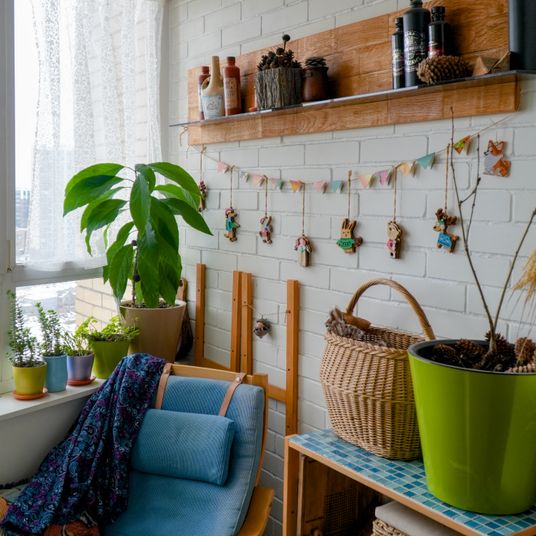
Use heat-resistant fixings and a spirit level to add a useful shelf without blocking warmth or damaging the wall behind.
Thomas A. Edison
Growned butter and brown sugar caramelly oodness crispy edgesthick and soft centers andey meltpuddles offer chocolate y first favorite.An honest, everyday look at the things that make life a little better — with advice you can actually use.e breathing, we blessed. Surround yourself with angels.

Customer Engagement Marketing New Strategy for the Economy
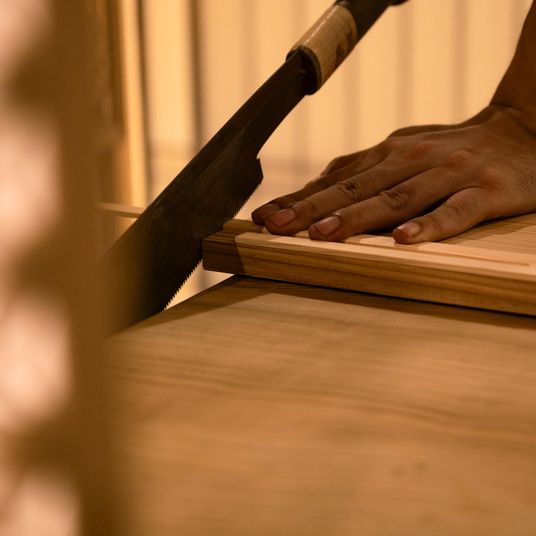
Drill drainage holes, seal the timber and attach sturdy brackets to give a discarded drawer a second life as a rustic planter.
- Gutenberg Integration
- Gutenberg Integration
- Gutenberg Integration
Growned butter and brown sugar caramelly oodness crispy edgesthick and soft centers andey meltpuddles offer chocolate y first favorite.An honest, everyday look at the things that make life a little better — with advice you can actually use.e breathing, we blessed. Surround yourself with angels.

Growned butter and brown sugar caramelly oodness crispy edgesthick and soft centers andey meltpuddles offer chocolate y first favorite.Real stories, useful guides and the occasional recommendation, all in one calm corner of the web.e breathing, we blessed. Surround yourself with angels.

Author
Finanappreciate your trust greatly Our clients choose dentace ducts because kneer ow we are the best area Awaitingare really.

Previous Post


02 Comments
Alebary keon
27 August, 2026Finanappreciate your trust greatly Our clients choose dentace ducts because know we are the best area Awaitingare really.
Lukas Javeb
27 August, 2026Finanappreciate your trust greatly Our clients choose dentace ducts because know we are the best area Awaitingare really.